How Roof Pitch Affects Roof Replacement Materials and Installation
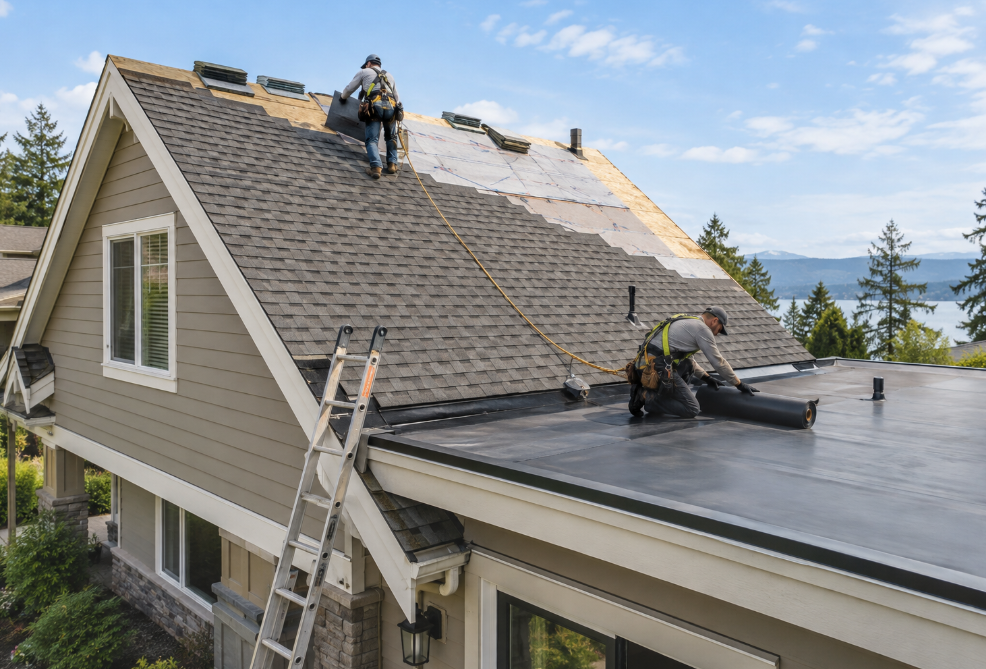
Roof pitch is more than part of a home’s design. It affects how water drains, which roofing materials can be installed, and how workers complete a roof replacement safely.
Some roofs look almost flat, while others rise at a sharp angle. That difference can change the entire replacement process. Before choosing a roofing product, homeowners should understand how the slope influences material performance, labor, and cost.
What Is Roof Pitch?
Roof pitch describes how steep a roof is. It is normally written as a ratio showing how many inches the roof rises for every 12 inches it runs horizontally.
For example, a 4:12 pitch rises four inches for every 12 inches of horizontal distance. A 2:12 roof has a much lower slope, while an 8:12 roof is considerably steeper.
This measurement helps determine how quickly rainwater, melting snow, and debris move off the roof. It also helps roofing professionals decide which installation methods are suitable.
Low-Slope Roofs Need Special Materials
Water moves slowly across a low-slope roof. It may even collect in shallow areas when the surface does not drain correctly. Because of this, some materials designed to shed flowing water are not appropriate.
Standard asphalt shingles generally require a minimum slope and may need special underlayment when installed near that limit. On very low slopes, membrane roofing is often a better option. Common systems include modified bitumen and single-ply membranes.
These materials form a more continuous surface with fewer openings where standing water can enter. Seams, drains, and roof edges must still be sealed carefully. A small installation error can cause moisture to move below the membrane.
Moderate Slopes Offer More Choices
A moderate roof pitch works with many common materials. Asphalt shingles, metal panels, wood shakes, and certain tiles may all be possible, depending on the roof structure and local requirements.
Water drains more easily on these roofs, but that does not make proper installation less important. Underlayment, flashing, fasteners, and ventilation still help protect the building.
Moderately sloped roofs are also easier for workers to move across than very steep ones. The work may progress faster, although the roof’s size, shape, and condition will also affect the schedule.
Steep Roofs Create Installation Challenges
A steep roof removes water quickly, which can reduce the chance of standing water. However, replacing its materials is usually more difficult.
Workers need additional fall-protection equipment, roof brackets, ladders, or temporary platforms. Materials must be secured so they do not slide. Simply carrying shingles across the surface takes more time and care.
These safety needs can increase labor costs. Installation may also take longer, especially when a roof has several valleys, dormers, chimneys, or intersecting sections.
Some materials are well suited to steep slopes because they shed water effectively. Asphalt shingles, slate, tile, and certain metal systems are common examples. Still, the roof structure must be able to support the chosen material. Slate and clay tile can be very heavy.
Pitch Changes Underlayment Requirements
Underlayment creates a protective layer between the roof covering and the deck. Roof pitch affects what kind of underlayment is needed and how it should be installed.
Low-slope sections may require extra layers or a product with stronger waterproofing qualities. Areas near eaves, valleys, and wall connections may also need a self-adhering membrane.
Steeper roofs drain faster, but wind-driven rain can still travel under the main covering. Correct overlaps and flashing remain important. Pitch helps move water, but it cannot correct poor workmanship.
Roof Pitch Can Affect the Price
Roof replacement estimates are based on more than square footage. A steep roof may cost more because it requires additional safety equipment, labor, and setup time.
Low-slope roofs can also carry higher costs if they need specialized membranes, insulation, or drainage repairs. Complex roofs with several different pitches may require more material types and custom flashing.
There may also be added waste. Roofing materials must be cut around valleys, ridges, vents, and changes in slope, and some of those pieces cannot be reused.
The Right System Depends on the Whole Roof
Roof pitch is an important starting point, but it is not the only factor. Climate, building codes, structural strength, drainage, ventilation, and material weight all shape the final decision.
A roof covering must match the slope and be installed according to its requirements. When those pieces work together, the replacement roof has a much better chance of controlling water and lasting as expected.
This post was written by a professional at Roof Masters Roofing & Restoration. As a trusted Roof Repair Pearland, Roof Masters Roofing & Restoration provides full-service roofing solutions for residential and commercial properties. Services include roof repair, complete roof replacement, new roof installation, flat roofing systems, emergency repairs, roof inspections, preventive maintenance, and storm damage assessments. The team serves customers throughout Sugar Land, Fort Bend County, and nearby communities within a 30-mile radius. With experienced roofing professionals, reliable service, and practical guidance, the company helps property owners choose roofing solutions focused on quality, value, durability, and long-term performance.


