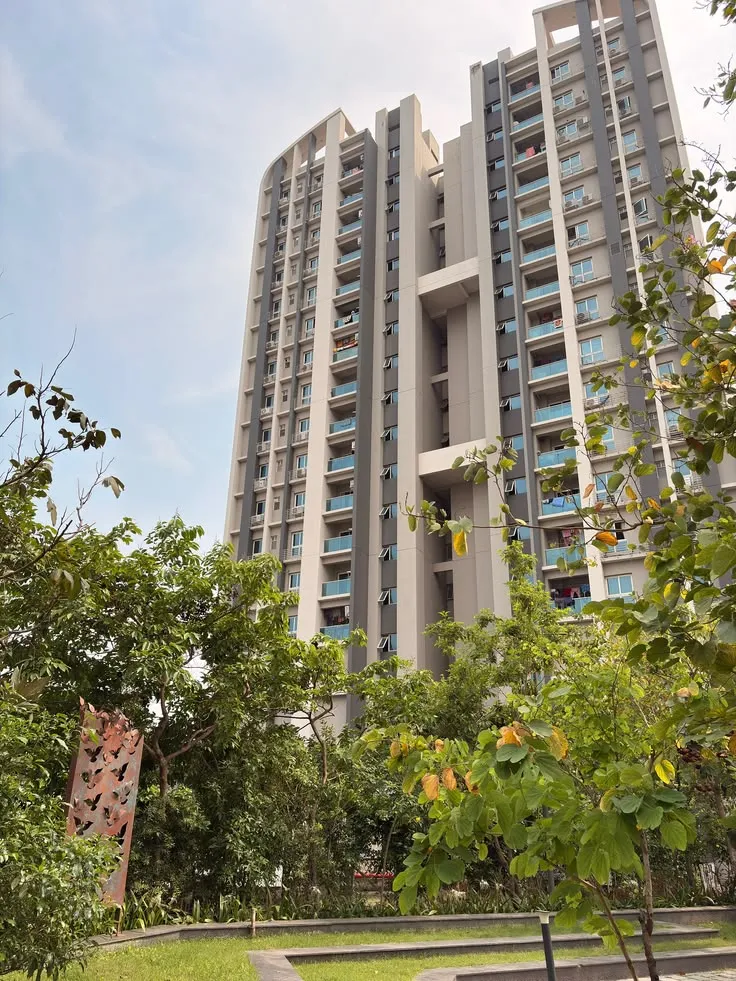
How surrounding commercial hubs drive steady tenant interest in northern districts

Tenants rarely pick a flat for the flat alone. They pick the street, the lunch spot, the train ride to work. Around Langdon Heights, offices and malls sit close enough to shape daily routines, and that pull keeps rental enquiries moving even when the wider market cools.
Northern districts show this clearly. Jobs gather in one cluster, shops fill the gaps between, and renters follow the crowd. Here is how that chain works, what to watch, and where owners trip up. Short version: location beats decoration almost every time, even when the kitchen looks a bit dated.
Jobs Nearby Keep Renters Close
Workers hate long commutes. A tenant who reaches the office in fifteen minutes will pay a little extra for that, and stay longer too. Homes such as Chencharu Central Residences gain from this logic when business parks sit nearby, feeding a steady stream of young professionals who want somewhere close.
Think of a rainy Monday. Traffic crawling, horns everywhere, and one person walks to work in ten minutes. That person renews the lease, almost every time. Landlords love renewals, because an empty month costs far more than any small discount ever would. It is simple maths, really.
Retail Strips and Daily Needs
Offices bring people, and people bring shops. A supermarket, a clinic, a couple of cafes, maybe a gym with flickering lights. Tenants tick these boxes without noticing. When everything sits within a short walk, the flat feels easy to live in, and easy homes get rented quickly.
Retail also adds a safety net. Even if one big employer shrinks, the shops still draw residents from other streets. Foot traffic spreads the risk around. It is a bit like having several legs on a stool instead of one thin one that might snap when someone leans too hard.
Transport Links Tie It Together
Roads and trains matter more than glossy brochures admit. A hub works best when buses, stations, and highways all meet nearby. Renters without cars care most. They want a door to door trip that does not need three changes and a long, boring wait on a cold platform.
Northern districts often add new lines in stages. Each opening nudges interest upward, sometimes quietly, sometimes with a jump. Owners who track announcements can adjust rent at the right moment. Wait too long and money stays on the table, though rushing can scare off good tenants.
Why Vacancy Gaps Stay Short
Vacancy is the quiet enemy of any landlord. Near strong hubs, gaps between tenants tend to shrink because demand arrives from several directions at once. Students, office staff, small families, all browse the same listings. Someone always seems to be looking, even in a slow month.
That does not mean zero risk. A weak unit in a good area can still sit empty. Poor photos, a greedy asking price, or a noisy facing can all slow things down. Fix the small stuff first, then price fairly, and watch how quickly the phone starts ringing.
Rent Growth Near Busy Hubs
Rents near busy hubs tend to rise in a steadier line. You rarely see wild swings, which makes budgeting simpler. A landlord can plan repairs, insurance, and loan payments with a bit more confidence. Calm numbers are underrated, especially for people who sleep badly when a mortgage is involved.
Still, growth has limits. Tenants compare nearby options constantly, and a fifteen percent jump in one year will push them out the door. Small, regular increases work better. Slow and steady, as dull as that sounds, keeps good renters in place for years instead of months.
What Owners Should Check First
Before buying, walk the area on a weekday at lunch. Count the people, check which shops are open, and see how crowded the station gets. Numbers in a report cannot show the real mood of a street. Your own eyes can, and they cost nothing at all.
Ask local agents how fast units rent and at what price. Check how many offices are planned compared with already built. Langdon Heights and similar projects deserve the same simple checklist. Keep notes, compare a few options, and trust repeating patterns over a single exciting story.
Conclusion
Strong commercial hubs give northern districts a steady base of renters. Jobs, shops, and transport work together, and tenants respond by staying longer and paying fairly. Chencharu Central Residences shows how a well placed home can ride that quiet, reliable demand without needing any dramatic marketing push behind it.
No area is perfect, and no hub lasts forever. Watch the big employers, watch new supply, and keep your own numbers honest. Do that, and Langdon Heights or any similar address has a fair shot at steady interest year after year. Patience pays here, even if it feels slow.