Common Mistakes When Comparing Two Nearby Condo Projects Before You Decide
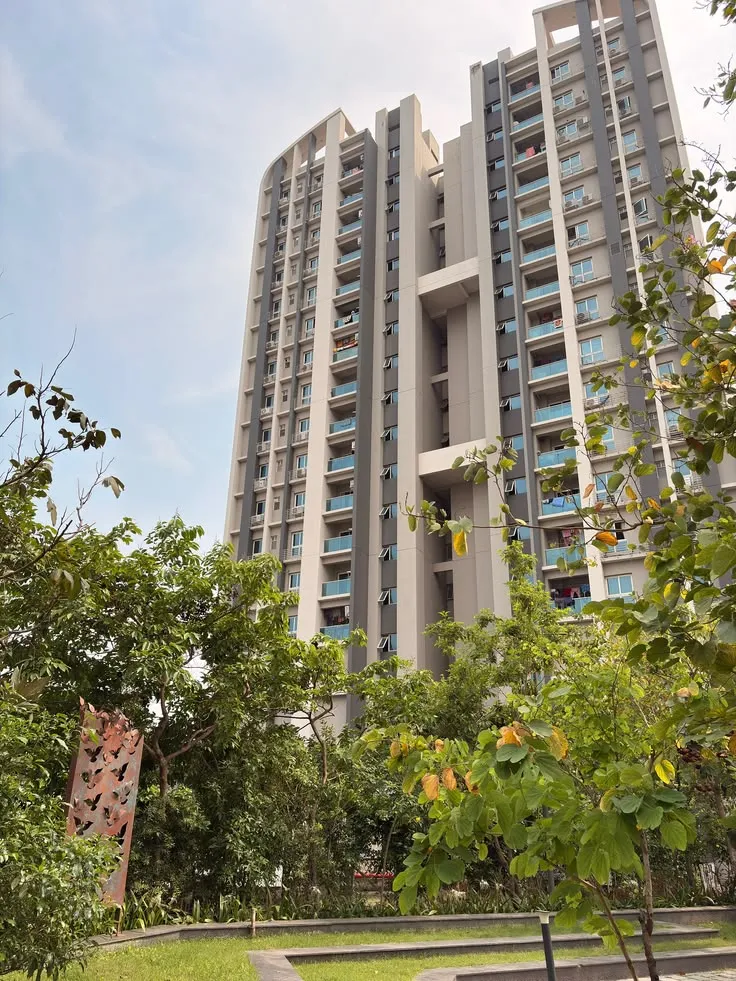
Two glass towers across the same street can look like twins on a glossy map, yet living in each feels totally different. Buyers often grab two brochures, compare price tags on a coffee table, and pick whichever costs slightly less per foot. Comparing Chencharu Central Residences with a neighboring site takes way deeper checks than simple sticker math.
Same postal district never means same daily comfort. Tiny gaps in layout, noise, and walking paths change life fast after key collection.
Looking Only at Price Per Foot
Low price per square foot looks like an instant bargain until you notice giant dead hallways eating up paid space. One flat might pack two wide bedrooms into a tight footprint, while another wastes corners on awkward bends. Smart buyers measure usable living space rather than falling for raw math tricks.
Checking Fablewoode Residences side by side with nearby options shows how clever room shapes beat extra empty square footage. Always lay real sofa sizes onto both floor plans first.
Ignoring Sun and Wind Angles
One block might catch cool afternoon breezes while the tower across the road bakes under harsh west sun until dinner. Hot bedrooms push air-con bills up every single month and make balconies useless after noon. Scale models in bright showflats rarely show how shadows actually fall at four in the afternoon.
Check compass arrows on both site maps before picking your stack. A slightly pricier facing often saves real money and sweat over ten years.
Forgetting Real Walking Routes
Two condos separated by one quiet lane can have wildly different walks to the nearest train station. One gate might sit right beside a sheltered footpath, while the other forces a long detour around a fenced canal. Map pins lie when walls, drains, and traffic lights block straight lines.
Walk both routes yourself on a sunny weekday morning. Five extra minutes in hot sun feels very long when carrying heavy groceries home.
Missing Total Unit Density Gaps
Comparing a quiet boutique estate against a massive mega-project changes how pools, gyms, and lifts feel on weekends. More unit mean more shared upkeep fund yet packed lap pools and slow elevator test patience fast. Fewer neighbors feel calmer though monthly maintenance fees can climb higher per household.
Project like Central Residence show why balancing unit count against shared facilities matters early. Ask how many lifts serve each floor so morning rush stays smooth.
Overlooking Nearby Empty Plots
That peaceful green field beside one project might turn into a noisy construction site two years after you move in. Empty land parcels zoned for future flats or roads can block nice views and bring years of piling noise. Never assume an open patch stays grassy forever.
Check local master plans for both sites before signing any booking sheet. Knowing what rises next door protects both your quiet mornings and future resale value.
Skipping Monthly Fee Comparisons
Two nearby condos with similar purchase prices can charge very different monthly management dues. Fancy water features, giant clubhouses, and large guard teams cost real money to run every year. High monthly dues eat into rental yields and tighten household budgets long after loan rates settle. Sinking fund contributions and special levies are another part of ongoing ownership that catches many buyers off guard. Even when regular monthly maintenance look reasonable on paper major repair like lift overhaul facade repainting or roof replacement can trigger sudden top-ups. Asking about the reserve fund health and recent maintenance history helps you see whether dues are artificially low today.
Residences buyer who compare ongoing upkeep fees alongside purchase prices avoid nasty surprises later. Add monthly dues into your real housing cost before making a final call. It also pays to check how charges are calculated and what services are actually bundled into the fee. Some developments bill by unit size or share value, while others tack on separate charges for air-conditioning chilled water, facility bookings, or extra parking lots. Comparing the net monthly cost mortgage plus management fees and utilities—gives you a much clearer picture of affordability.
Conclusion
Comparing two neighboring condo projects takes more than lining up price tags and shiny showroom photos. Usable floor plans, afternoon sun, real walking paths, lift counts, and future empty plots decide how happy you feel living there. Even small differences across one street add up fast over the years.
Walk both neighborhoods on foot, check compass lines, and tally full monthly fees before signing anything. A careful side-by-side look ensures you pick the home that truly fits your daily life.