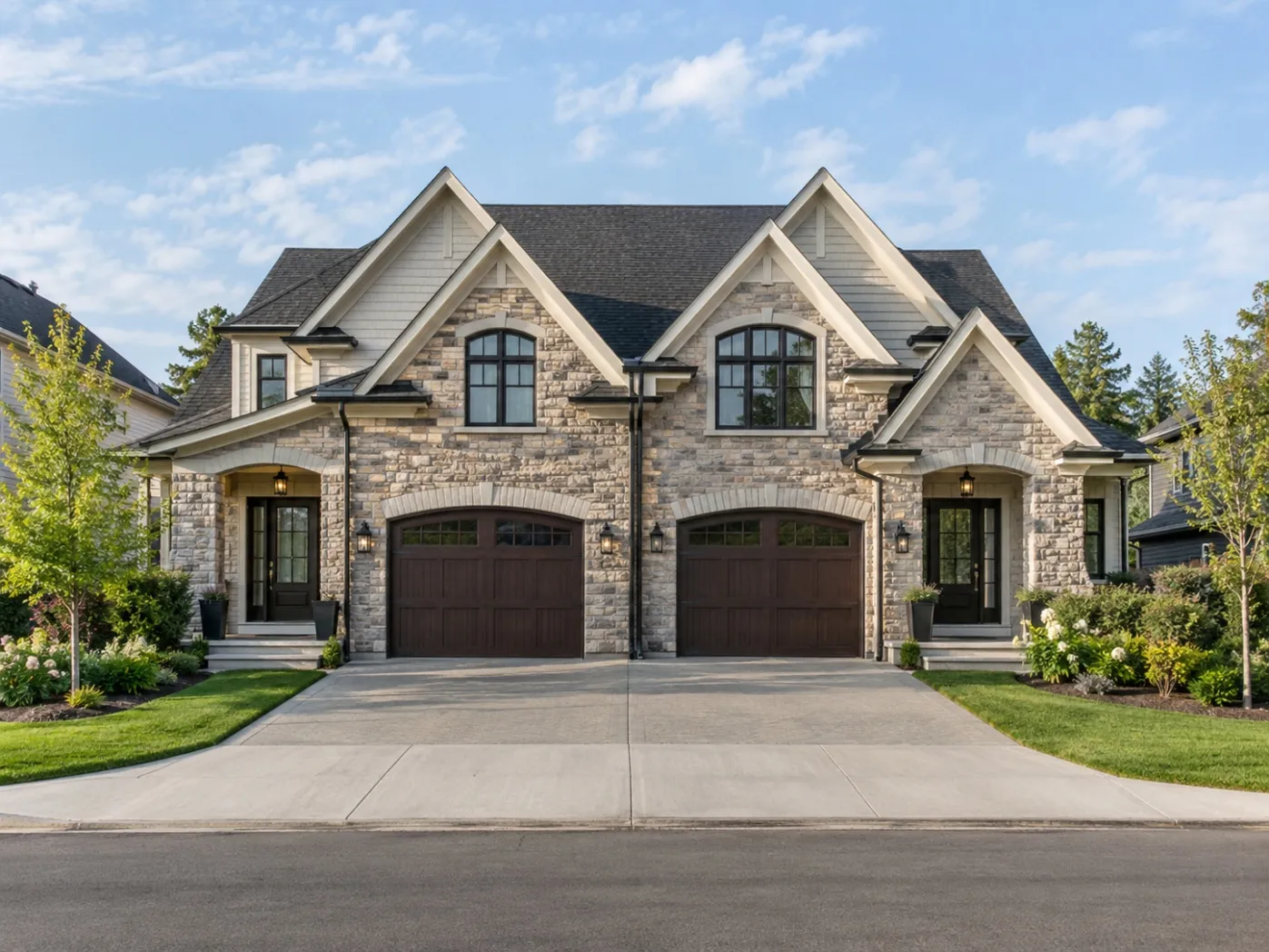
Elevating Urban Living Through Intelligent Layouts and Thoughtful Design Choices

City houses are no longer characterized by location or appearance. It has now switched its attention to efficiency, comfort and the way a space enhances daily experiences. The changes in the modern world, like the Tengah Garden Residences or the Promenade Peak, support this trend as the focus is on smart designs and the utilization of practical planning. These projects emphasize the importance of quality residential design, which can change with the changing lifestyle expectations in a competitive environment in urban contexts and retain long-term value.
Spatial Planning That Supports Daily Life
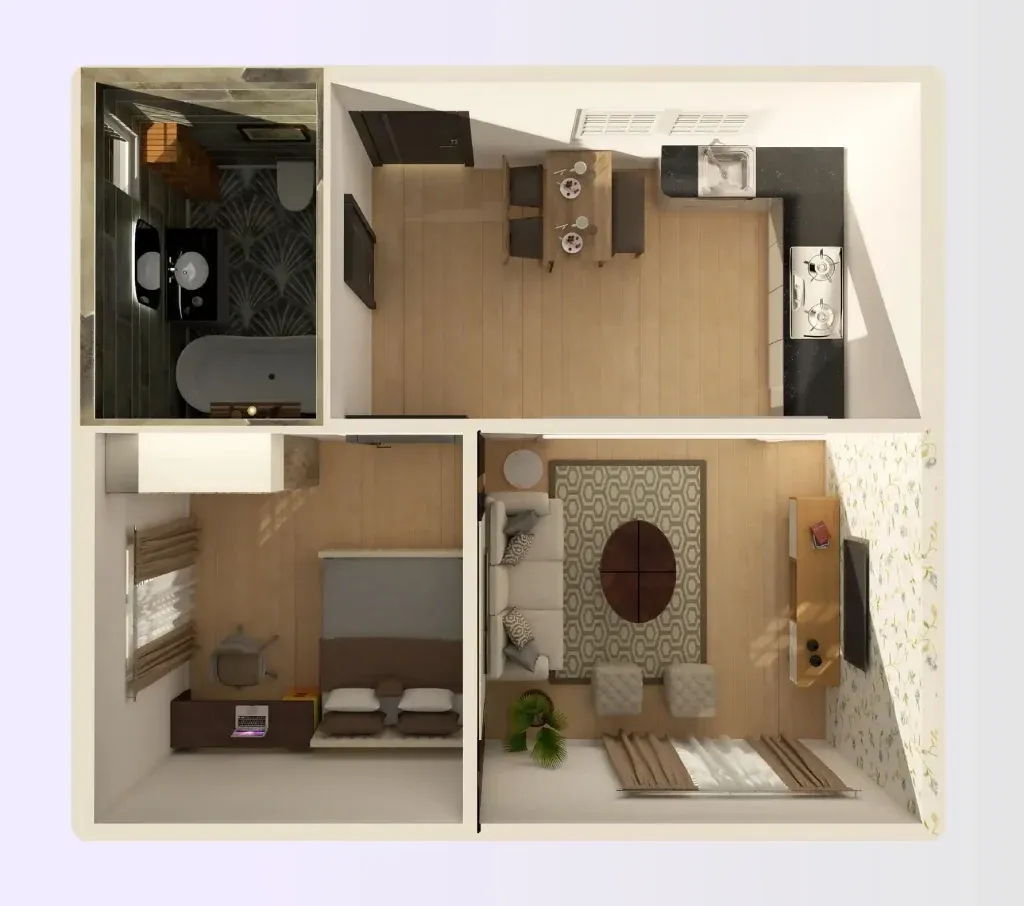
The importance of space usage is significant in improving satisfaction in residential places. Tengah Garden Residences presents the capacity of balanced layouts to have residents move freely between private spaces and shared spaces. Likewise, Promenade Peak illustrates the effectiveness of proportional room sizes and effective circulation as a way of saving wastage of space. This kind of planning helps to accommodate the various household requirements, and therefore the homes can be used as work-from-home facilities, family residences or even as relaxing individual spaces without the unwarranted structural complication.
Natural Light and Ventilation as Design Priorities
Space. This is an essential concept that well-designed living spaces depend on natural elements. The optimal location of the strategic windows, open spaces, and controlling airflow enhances comfort without wastage of energy. Tengah Garden Residences incorporates these concepts by letting the light of the day penetrate into the living quarters. The design makes interiors look open and breathable, which leads to improved well-being and reduces the need to rely on artificial lighting during the day.
Lifestyle-Oriented Amenities Within Reach
In addition to single units, there are common facilities that will be designed to enrich the daily life of residents and not to overwhelm them. Promenade Peak bears this attitude in terms of well-situated communal spaces that promote engagement without infringing on privacy. These surroundings tend to accommodate the contemporary urban requirements like fitness, rest and informal events through the provision of flexible communal areas, landscaped areas as sources of visual reprieve, as well as the amenities which are located in situations where easy access is possible but not crowded.
Design Choices That Enhance Long-Term Comfort
Sustainability of residential planning is still pegged on durability and functionality. Both Tengah Garden Residences and Promenade Peak focus on the use of materials and designs that mature with time. The design choices are to reduce maintenance and to increase comfort with the help of effective storage integration, versatile interior palettes and layouts ensuring the minimization of major structural alterations of the building in the future.
Balancing Privacy with Community Living
Cities are becoming progressively conscious of the need to maintain personal privacy and social interrelation. The use of intelligent design will enable this to be done without compromising. The corridors, entrances and common places are to be designed in such a way that they restrict the spread of noise and yet encourage the feeling of community. This equilibrium provides residents with the freedom to have solitude whenever they want, but at the same time be connected to a larger neighborhood environment.
Conclusion
With urban sprawl continuing to occur, the residential design must respond to the situation with elasticity and imagination. Tengah Garden Residences and Promenade Peak are brilliant illustrations of how normal living can be enhanced to a better level through the application of intelligent designs and wise design choices. With the emphasis on usability, comfort, and adaptability, such developments are a step toward the progressive approach in urban housing that could meet the modern requirements and long-term residential satisfaction.