From Grape to Glass: How to Choose the Perfect Location for Your DIY Wine Cellar
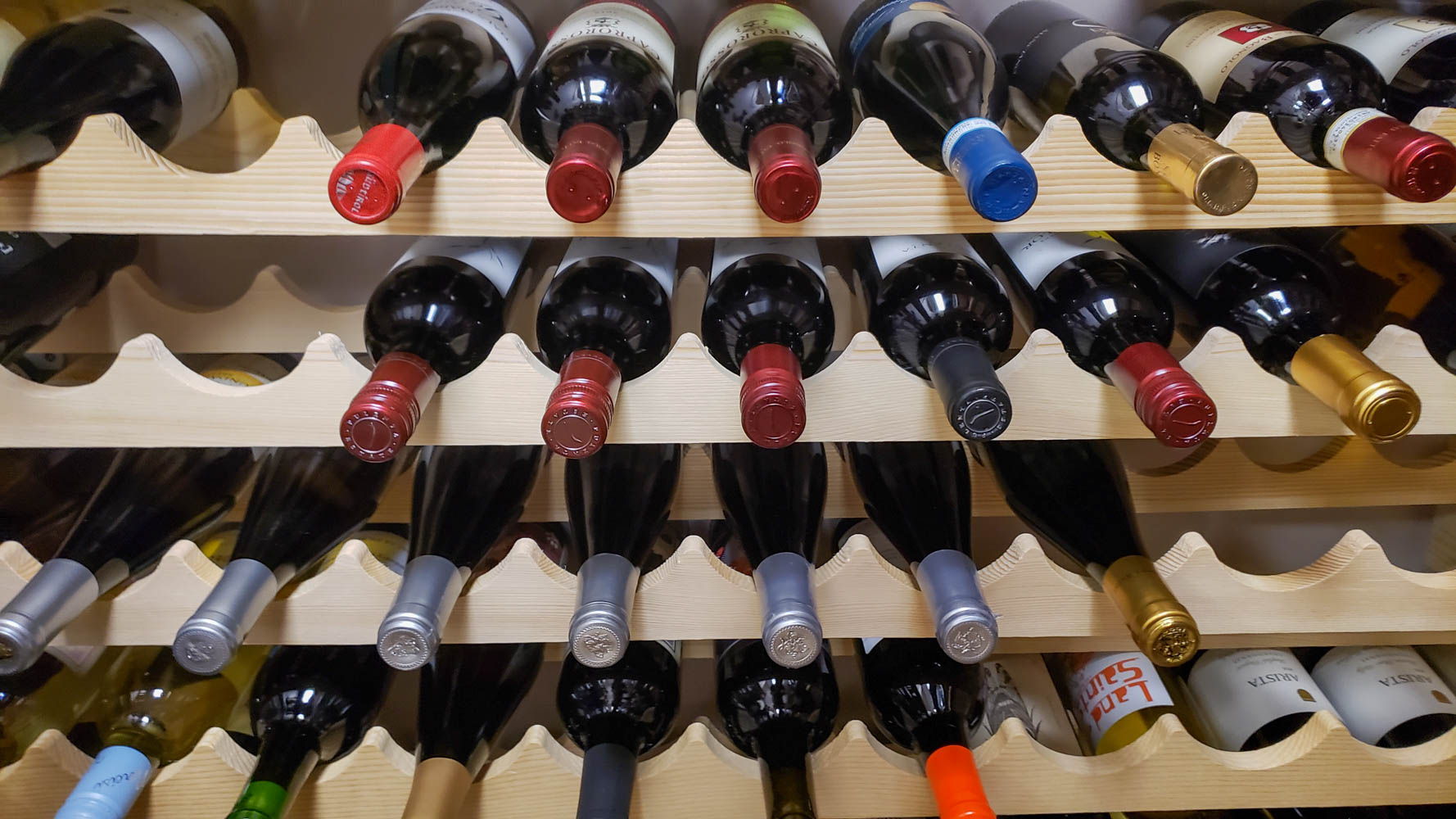
Building a personal wine cellar is a dream for many enthusiasts, representing a commitment to the craft of viticulture and the joy of long-term collecting. While the aesthetic design of custom racking and ambient lighting often takes center stage in the planning phase, the success of your cellar depends almost entirely on its location. A wine cellar is not merely a storage room; it is a controlled environment designed to protect a delicate organic product from its four primary enemies: heat, light, vibration, and fluctuating humidity. For the DIY wine cellars builder, selecting the right spot within the home is a strategic decision that balances the natural properties of the building with the technical requirements of climate control. A well-chosen location will simplify the construction process and ensure that your investment matures gracefully over time.
Harnessing the Natural Stability of Subterranean Spaces
Historically, the most successful wine cellars have been located underground, and for good reason. The earth acts as a massive thermal heat sink, providing natural insulation that buffers against the changing temperatures of the seasons. For the DIY homeowner, a basement is often the most logical starting point. Below-grade spaces are naturally cooler than the rest of the home and typically maintain a more consistent temperature year-round. This inherent stability reduces the workload on any mechanical cooling systems you may install, leading to lower energy bills and a longer lifespan for your equipment.
When scouting your basement, look for a corner that is tucked away from the home’s heating and cooling heart. Placing a wine cellar directly next to a furnace, water heater, or laundry room is a recipe for disaster. These appliances generate significant heat and can cause localized temperature spikes that penetrate even well-insulated walls. Ideally, you want a location that shares at least two exterior walls below the frost line. These walls provide a head start on cooling, allowing you to maintain the ideal cellar temperature of approximately thirteen to fifteen degrees Celsius with minimal intervention.
Avoiding the Destructive Power of Vibration and Light
Wine is a living thing, and its chemical evolution can be easily disrupted by physical movement. Constant vibration can agitate the sediment in older bottles and interfere with the slow, graceful aging process. When choosing a location, it is vital to look upward and around. Avoid placing your cellar directly beneath high-traffic areas of the home, such as a kitchen or an entryway where heavy footsteps are frequent. Similarly, stay away from areas adjacent to heavy machinery like garage door openers, central vacuum units, or large subwoofers in a home theater.
Light, specifically ultraviolet light, is another silent killer of fine wine. UV rays can penetrate glass and cause a reaction in the liquid known as light-strike, which results in unpleasant aromas and flavors. This is why a location without windows is paramount. While it may be tempting to convert a sun-drenched nook into a glass-walled display, the cost of UV-shielded glass and the extra cooling required to battle solar heat gain can be astronomical. A dark, interior space provides the best protection for your collection and allows you to control the lighting entirely with cool-burning LED fixtures that won’t add unnecessary heat to the room.
Conclusion
Choosing the right location for a DIY wine cellar is a delicate balance of science and convenience. By prioritizing a space that is naturally cool, dark, and still, you create a foundation that respects the needs of the wine while making the most of your home’s existing architecture. While modern technology can compensate for many environmental shortcomings, a well-placed cellar works with the environment rather than against it.