Vintage Vision: Commercial Wine Wall Displays That Transform Customer Experience
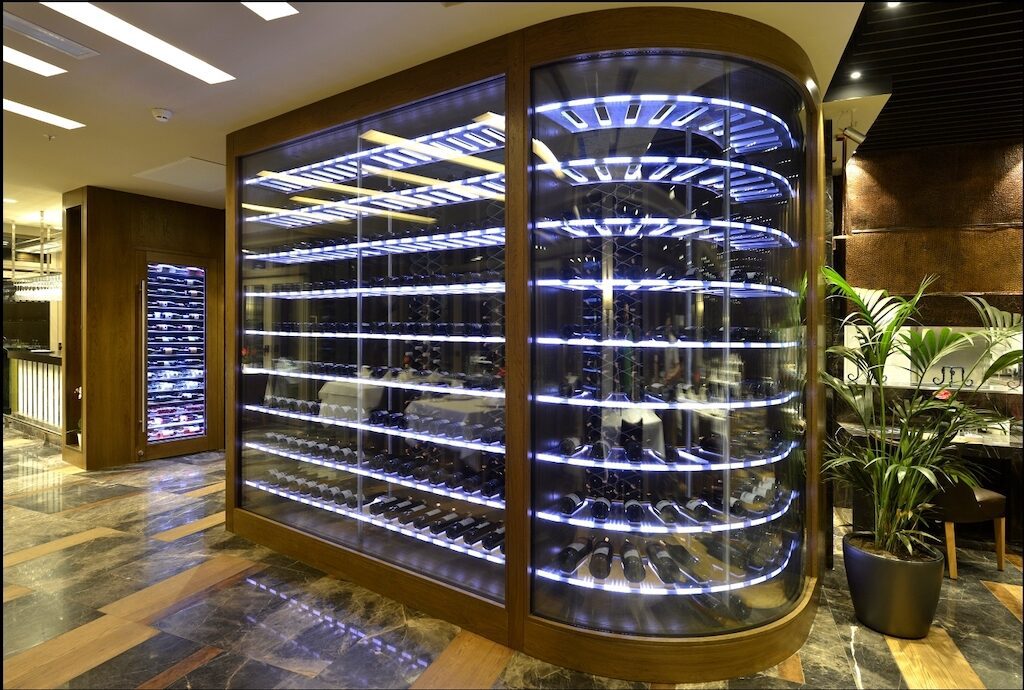
The retail and hospitality landscape is shifting away from simple transactions toward immersive brand experiences. In the world of fine wine, how a bottle is presented is often just as important as the liquid inside. A well-executed commercial Millesime wine wall collection is no longer merely a storage solution; it is a powerful piece of functional art that serves as a focal point for the interior design. Whether in a high-end restaurant, a boutique wine shop, or a luxury hotel lounge, a thoughtfully designed wine wall can educate the consumer, evoke a sense of luxury, and ultimately influence purchasing decisions. By blending architectural ingenuity with strategic merchandising, businesses can create a sensory journey that begins the moment a guest sets eyes on the collection.
Creating a Visual Story Through Lighting and Depth
The most immediate way to elevate a wine display is through the masterful use of integrated lighting. In a commercial setting, lighting does more than provide visibility; it creates mood and directs the customer’s eye to premium selections. Backlit panels using soft LED strips can make bottles appear to glow from within, highlighting the varying hues of the wine and the texture of the labels. When light passes through a row of crisp Chardonnays or deep, opaque Cabernets, it creates a rhythm of color that is naturally captivating. It is essential, however, to use UV-filtered, low-heat lighting to ensure the integrity of the wine is never compromised by temperature fluctuations.
The Intersection of Materiality and Brand Identity
The materials chosen for a wine wall speak volumes about the identity of the establishment. For a rustic, farm-to-table restaurant, a wine wall featuring reclaimed oak, raw iron accents, and warm stone backdrops can reinforce a message of heritage and organic quality. The tactile nature of wood provides a sense of warmth and tradition that aligns with the history of winemaking. Conversely, a sleek, ultra-modern bar might opt for frameless glass enclosures, polished chrome racking, and minimalist acrylic supports. These materials suggest a forward-thinking, high-tech approach to viticulture and appeal to a contemporary, design-conscious demographic.
Enhancing Interactivity and Educational Discovery
A wine wall can serve as a silent sommelier, guiding customers through the nuances of different regions and varietals. Integrating educational elements directly into the display is a growing trend that significantly boosts the customer experience. This can be achieved through elegant signage, digital touchscreens, or even the logical organization of the wall itself. For example, a wall arranged by “flavor profile” rather than just geography can help a novice customer feel more confident in their selection. Sections labeled with descriptors like “bold and earthy” or “light and floral” make the world of wine more accessible and less intimidating.
Conclusion
The evolution of commercial wine displays reflects a broader trend toward experiential retail and hospitality. By focusing on the details of lighting, material choice, and educational interaction, a business can transform a storage requirement into a cornerstone of their customer service strategy. A great wine wall does more than just hold bottles; it tells a story of craftsmanship, geography, and taste. It invites the customer to step out of their daily routine and into a world of curated excellence.